All-on-4 Dental Implants for Fixed Full Arch Teeth
All-on-4 Dental Implants for Fixed Full Arch Teeth
Blog Article
Full Arch Dental Implants: The Choice for Comprehensive Tooth Reconstruction
Full arch dental implants constitute a major breakthrough in dental restoration. They provide a lasting solution for people experiencing complete loss of teeth, replacing an entire arch of teeth with a stable, functional alternative. This treatment not only improves oral functionality but also supports overall health and aesthetics. However, prospective patients must evaluate various factors before moving forward. What are the key advantages and steps involved in this life-changing procedure?

Is a Full Arch Dental Implant Solution Ideal for Your Circumstances?
influence recovery and long-term success. Ultimately, individual preferences regarding dental aesthetics and function
Discovering Full Arch Implant Solutions?
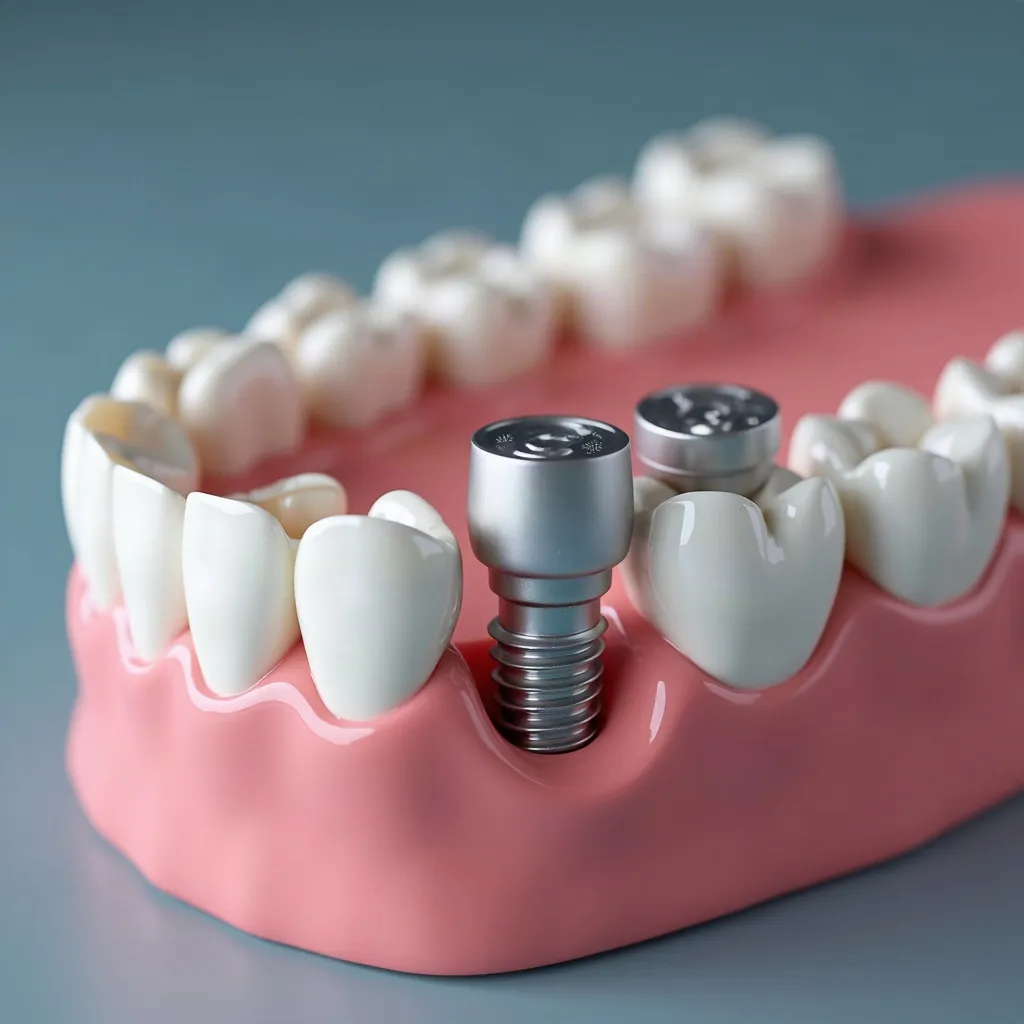
Full arch dental implants represent a thorough answer for people attempting to renew an entire arch of absent teeth. This modern dental procedure entails the insertion of a set of implants that act as secure anchors for a full artificial arch. Typically, four to six implants are strategically positioned within the jawbone to hold a personalized framework or denture.
In contrast to traditional dentures, which tend to slip and need adhesives, full arch implants provide enhanced security and functionality. The implants integrate with the jawbone, delivering a natural feel and look. This option is particularly beneficial for patients who have lost most or all of their teeth and want a permanent, durable restoration.
Primary Advantages of Full Arch Dental Implants for Your Grin
Complete arch dental implants provide many benefits that go well past aesthetic enhancement; they revolutionize the overall dental experience for patients. One of the primary advantages is improved functionality. These implants return the ability to chew and speak with confidence, allowing individuals to enjoy a wider variety of foods.
Furthermore, full arch dental implants support jawbone health by avoiding bone deterioration, a frequent issue following tooth loss. This maintenance of bone density contributes to a more youthful facial look.
Patients also find the practicality of full arch implants appealing, as they entail less care compared to traditional dentures. There are no adhesives or removal processes involved, facilitating daily routines.
To summarize, the steadiness and ease extended by full arch implants remarkably enhance the quality of life, allowing individuals to prioritize social interactions without the worry of dental issues. Overall, these implants provide a unified solution for those seeking complete tooth restoration.
Steps to Getting Full Arch Dental Implants
Obtaining complete arch dental implants necessitates a series of carefully planned steps that ensure a positive result. To begin, a comprehensive evaluation takes place, with the dental team evaluating the patient's dental condition and specific needs. Diagnostic imaging, such as radiographs or 3D scans, are included, to evaluate bone density and establish the optimal positioning of the implants.
After completing this assessment, a personalized treatment plan is developed, detailing the procedure and timeline. The next phase involves the surgical placement of the implants into the jawbone, often using advanced techniques like All-on-4. Once the implants are securely placed, a healing period allows the bone to integrate with the implants, guaranteeing stability.
Once healing is complete, tailored prosthetic teeth are designed and fitted, providing practical use and visual attractiveness. Finally, the oral care professionals performs follow-up appointments to track advancement, ensuring the prosthetics function as intended effectively.
Protecting Your Full Arch Prosthetic Teeth
Maintaining complete arch dental implants demands careful care to guarantee longevity and optimal performance. Proper oral hygiene is essential; brushing twice daily with a soft-bristled toothbrush and using non-abrasive toothpaste helps prevent plaque buildup. Flossing or utilizing interdental brushes can effectively clean areas between implants. Regular dental check-ups are important for checking the condition of the implants and ensuring any problems are addressed promptly.
Aside from regular maintenance, people should avoid hard foods that may damage the prosthetics. Smoking and excessive alcohol consumption can adversely affect the healing timeline and implant effectiveness, establishing lifestyle modifications beneficial. Maintaining hydration and maintaining a balanced diet aid healthy gums and comprehensive oral hygiene.
Often Asked Questions
Full Arch Dental Implants: How Extended Do They Last?
Full arch dental implants can last over 10 to 15 years, and with appropriate maintenance, some read here may endure even longer. Durability often is determined by factors like dental hygiene, bone density, and frequent dental checkups.
Is Full Arch Implant Treatment Insurance Benefits Provided Through Your Insurance?
Full arch implants are occasionally partially paid for by insurance, but benefits differs significantly among plans. Individuals should contact their particular insurance provider to understand the level of coverage for this dental implant treatment.
Who Can Have Complete Arch Dental Implants?
Not all individuals are qualified applicants for complete arch dental implants. Considerations including general wellness, bone volume, and periodontal condition impact eligibility. A dental expert should evaluate each individual's specific situation to determine suitability.
What Timeframe Should You Anticipate for Healing After the Procedure?
Recovery duration after the procedure generally spans a few days to several weeks, depending on individual recovery patterns. Patients commonly experience inflammation and soreness, which usually resolves within a week, allowing gradual return to normal activities.
Are Full Arch Restorations in Requirement of Dedicated Care Tools?
Full arch implants ordinarily do not require specific cleaning equipment; however, using gentler brushes and mild cleaning products is recommended. Routine dental visits and expert cleaning services assure optimal care and durability of the implants.
Report this page